
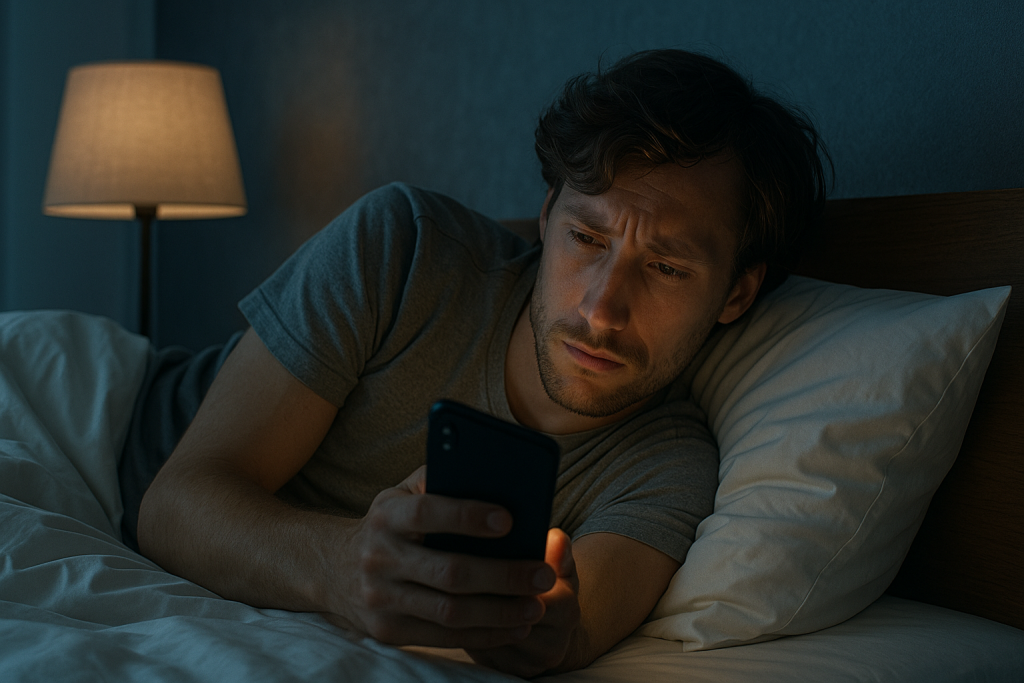
If you’re a night owl, you might wonder whether staying up late is harmful. The short answer? Not necessarily—especially if you’re still getting enough sleep. Adults typically need between 7–10 hours per night, while teens and kids need even more.
Although night owls often enjoy bigger social circles, research suggests late sleepers may face higher risks for certain health issues like depression, diabetes, and high blood pressure.
What Is a Chronotype?
Your sleep preferences are often rooted in biology, specifically your chronotype—your natural sleep-wake rhythm.
-
Late chronotypes feel most energized at night.
-
Early chronotypes (a.k.a. morning people) thrive in the morning.
-
Intermediate chronotypes fall somewhere in between.
Your chronotype influences when you’re most productive and how your body responds to sleep patterns.
Health Effects of Staying Up Late
1. Sleep Challenges for Teens
Teenagers naturally tend to stay up later, thanks to hormonal shifts during puberty. However, school schedules and social distractions make it hard for them to get the recommended 9 hours of sleep.
Studies show that teen boys who stay up late may be more prone to risky behaviors and substance use. Parents can help by promoting better sleep habits and advocating for later school start times.
2. Mood and Mental Health
Night owls may be more vulnerable to mood disorders. A 2021 study found that those who prefer evenings are more prone to depression and may struggle with emotional regulation.
Late chronotypes are also less likely to use healthy coping strategies, such as reframing negative thoughts.
3. Increased Risk of Type 2 Diabetes
Staying up late has been linked to a significantly higher risk of developing type 2 diabetes. This risk is compounded by poor sleep patterns, late-night eating, and hormone imbalances.
4. Difficulty Managing Diabetes
Late sleepers may have a harder time managing blood sugar levels. Eating earlier in the day and maintaining consistent sleep patterns are key to better diabetes control.
5. Higher Blood Pressure
Irregular sleep schedules—like staying up late on weekdays and sleeping in on weekends—can raise your risk of high blood pressure. Keeping a consistent routine helps protect heart health.
6. More Likely to Drink or Smoke
Night owls, especially younger adults, are more likely to engage in impulsive behaviors like drinking alcohol or smoking. One study linked late chronotypes to higher beer consumption.
That said, not all late sleepers develop these habits—it may be more about environment and lifestyle.
7. Lower Motivation to Exercise
Sleep patterns can affect your workout habits. Getting enough rest can lead to more intense exercise, but intense workouts might also make it harder to fall asleep the next night.
Morning workouts may boost weight loss and promote healthier choices throughout the day, but the best time to exercise is the time that works best for you.
8. Morning Grogginess
Night owls often feel drowsy in the morning—especially if they have to wake up early. This can lead to sleep deprivation, which affects mood, energy, and focus.
9. Higher Risk-Taking Behavior
Staying up late is associated with more risk-taking, including both positive (like public speaking) and negative behaviors (like speeding or binge drinking).
10. Shorter Lifespan?
A 2018 study found that people who stay up late and struggle with early wake-ups have a 10% higher risk of early death compared to morning types. While more research is needed, it’s worth paying attention to your sleep patterns.
11. Chronic Sleep Deprivation
Late chronotypes with early-morning responsibilities often don’t get enough sleep. Trying to “catch up” on weekends may not fully undo the effects of lost sleep.
12. Weight Gain
Poor sleep is linked to weight gain. Staying up late often means more late-night snacking and a preference for high-calorie foods. Sleep deprivation also disrupts hunger-regulating hormones, making you feel hungrier.
Are There Any Benefits to Being a Night Owl?
Yes! Night owls often have larger social networks and may feel more creative or productive at night. Experts note that many late sleepers lead healthy lives. However, more research is needed to fully understand the long-term health effects.
How to Shift Your Sleep Schedule
Want to become more of a morning person? It’s possible—here’s how:
-
Make small changes: Go to bed a few minutes earlier each night.
-
Stick to a routine: Wake up and go to bed at the same time every day.
-
Limit bright lights at night: This helps signal your brain it’s time to wind down.
-
Get sunlight early: Natural light in the morning helps reset your internal clock.
-
Consider melatonin: Talk to your doctor about using melatonin supplements.
Should You Change Your Sleep Habits?
It’s still unclear whether adjusting your chronotype improves long-term health outcomes. But experts agree: night owls may need to be extra mindful of maintaining a healthy lifestyle.
The key is consistency. Prioritize quality sleep, healthy habits, and a schedule that supports your well-being—no matter when your day starts.