If you’re treating your chronic muscle tension with massage alone, you might only be addressing half of the problem. Many people find that while a deep tissue session offers temporary relief, that familiar tightness often returns within just a few days. It’s frustrating to feel like you’re stuck in a cycle of short-term fixes for long-term discomfort. You aren’t alone in wanting a more durable solution that actually changes how your body feels and functions.
Discovering the benefits of acupuncture massage can be the turning point in your recovery journey. This synergistic approach allows us to address the physical “hardware” of the muscles while simultaneously recalibrating the “signals” sent by your nervous system. By combining these therapies, you can create a powerful framework for healing that reduces pain and improves systemic health. This guide will explain how these treatments complement each other and why a clinical, holistic approach is the key to reclaiming your mobility right here in Charlotte. You’ll learn exactly how this combination works to provide the lasting relief you’ve been searching for.
Key Takeaways
- Understand how an integrated acupuncture massage session targets both the nervous system and muscle tissue to provide more durable relief than standalone treatments.
- Learn about the physiological mechanics of the Gate Control Theory and how massage prepares the fascia for deeper, more effective healing.
- Gain a clear framework for deciding which combination of therapies best aligns with your specific pain profile and mobility goals.
- Discover what to expect during a professional consultation in Charlotte, from functional movement assessments to the use of supportive Redlight therapy.
- See how manual therapies integrate with advanced technologies like Softwave and corrective exercises to build a sustainable foundation for your long-term wellness.
Understanding Acupuncture Massage: Synergy for Systemic Relief
Many people view wellness as a choice between different modalities, but the most effective recovery often happens at the intersection of therapies. Acupuncture massage represents a sophisticated integration of two time-tested healing traditions, designed to provide a more comprehensive solution than either could achieve alone. In this clinical synergy, we don’t just treat the site of pain; we address the underlying physiological systems that contribute to chronic tension and restricted movement. Acupuncture massage is a multi-layered approach to nervous system and muscular health that integrates the targeted stimulation of neurovascular points with the manual manipulation of soft tissue. By utilizing this dual-modality framework, practitioners can unlock deeper layers of the body’s natural healing potential, a principle also embraced by Face Up through their specialized facial sculpting and somatic bodywork techniques.
The Signal and the Hardware: A Holistic View
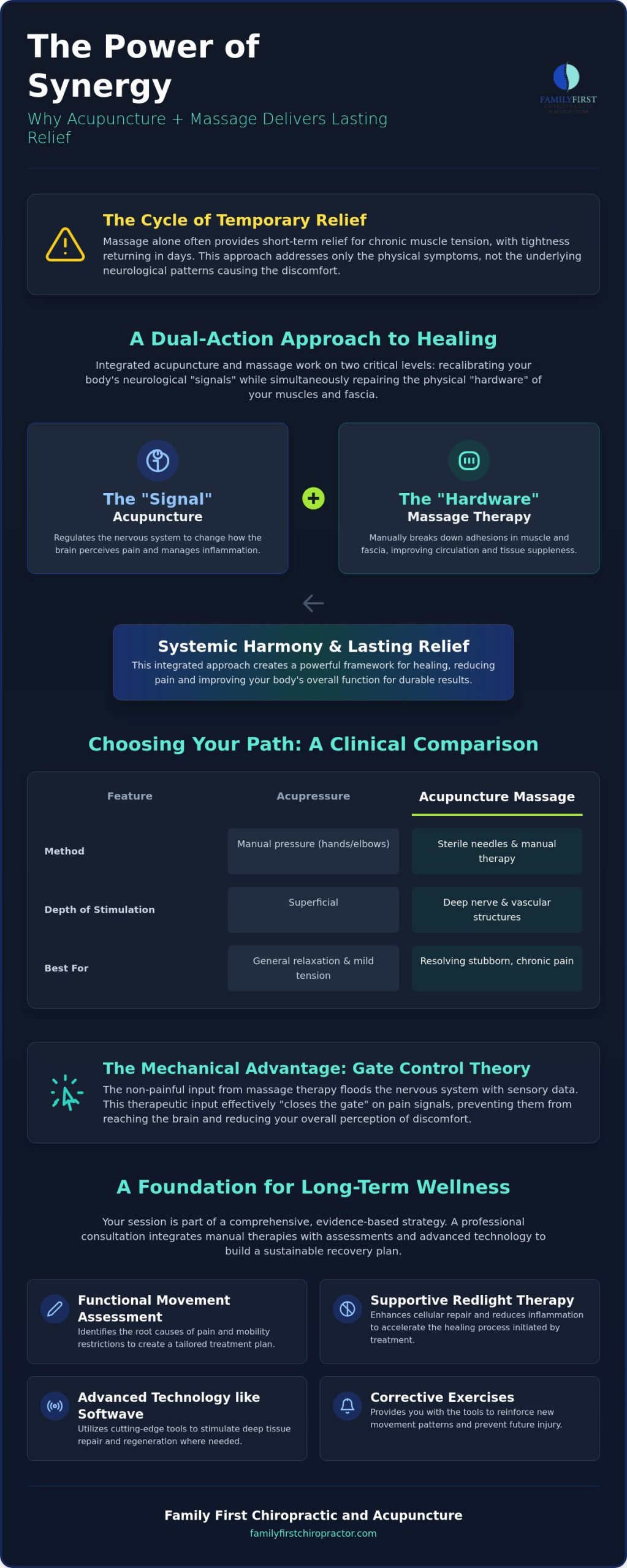
To understand how this combination works, it’s helpful to view the body through the lens of both “signals” and “hardware.” Acupuncture focuses primarily on the signals. It involves the insertion of sterile, hair-thin needles into specific points to regulate the nervous system and encourage the flow of energy. This process helps to recalibrate how the brain perceives pain and manages inflammation. Conversely, massage therapy addresses the hardware. It focuses on the physical state of muscle fibers and the fascia that surrounds them, manually breaking down adhesions and improving local circulation. This mechanical work ensures that the physical structures are supple enough to respond to the neurological changes initiated by the needles.
Integrating these two approaches is a cornerstone of holistic health in Charlotte, NC, where patients increasingly seek solutions that offer more than just a temporary reprieve from symptoms. When the hardware is softened through massage, the signals from acupuncture can travel more effectively through the body. This creates a state of systemic harmony that supports long-term vitality and prevents the recurrence of old injuries. It’s an approach that values the body as an interconnected web rather than a collection of isolated parts.
Acupressure vs. Acupuncture Massage
It’s common for patients to confuse these terms, but the clinical differences are significant. Acupressure relies solely on manual pressure applied by the hands or elbows to stimulate specific points. While beneficial for general relaxation, it lacks the precision and depth that a professional acupuncture massage session provides. The use of needles allows for the stimulation of deeper nerve endings and vascular structures that manual pressure simply cannot reach. This deeper access is often necessary for resolving stubborn, chronic pain that has resisted more superficial treatments.
Choosing a provider who can offer both therapies within a clinical framework ensures that your care is coordinated and evidence-based. A specialized wellness center provides the advantage of professional assessment, where the practitioner determines whether your body needs the neurological reset of a needle or the mechanical release of manual therapy first. If you are exploring how these traditions are integrated in a clinical setting, you can discover Zhong Centre and their specialized approach to Traditional Chinese Medicine. This tailored approach ensures that every minute of your session is optimized for your specific pain profile and recovery goals, transforming a standard wellness appointment into a strategic medical intervention that respects your body’s unique needs.
How Acupuncture and Massage Work Together Mechanically
The mechanical effectiveness of combining these therapies is rooted in how our bodies process sensory information and physical pressure. One of the most significant concepts in modern pain management is the Gate Control Theory. This theory suggests that non-painful input, such as the tactile sensation of massage, can “close the gate” to painful signals before they reach the central nervous system. When you receive an acupuncture massage, the brain is flooded with therapeutic sensory data that reduces the perception of chronic discomfort. This shift is part of a significant rise in use of complementary health approaches as patients look for non-pharmacological ways to manage long-term physical stress.
Preparing the Tissue for Acupuncture
Muscles that have been under chronic stress often become “armored,” meaning they are physically dense and resistant to outside touch. If a practitioner attempts to insert a needle into these rigid fibers, the patient may experience heightened sensitivity or discomfort. By applying myofascial release techniques first, the therapist can soften the tissue and increase local temperature. This preparation phase increases local blood flow and oxygenation, which essentially primes the area for the acupuncture needle. When the tissue is relaxed, the needle can reach the intended neurovascular points more easily, allowing for a more profound systemic response.
Post-Needle Integration with Massage
Once the needles are removed, a secondary phase of manual therapy helps to integrate the neurological changes. While acupuncture is excellent for resetting signal patterns, some residual muscle knots or physical adhesions might still remain. Light, rhythmic massage following the clinical treatment encourages the body to enter a parasympathetic state. This is the rest and digest mode where the most significant tissue repair occurs. It flushes metabolic waste products from the area and ensures that the systemic balance achieved through the needles is physically grounded in the muscle fibers.
Both therapies work together to optimize the circulatory system. Massage physically pushes blood through congested areas, while acupuncture stimulates the dilation of vessels through the release of specific biochemicals. This combined action ensures that fresh, nutrient-rich blood reaches damaged tissues to accelerate healing. If you are curious about how this specific mechanical synergy can address your unique pain profile, you can speak with a specialist at Family First to explore a personalized recovery plan. This integrated approach ensures that we are treating your body as a complete, functional unit rather than a series of symptoms.
Choosing Your Path: Comparison of Wellness Therapies
Selecting the right therapy is a critical step in your recovery journey. It’s often difficult to know if a specific symptom requires a mechanical fix or a neurological reset. At Family First Chiropractic, we serve as a clinical hub where you don’t have to guess. We assess your functional movement and pain history to help you decide between standalone treatments or an integrated acupuncture massage protocol. While standalone sessions can offer immediate comfort, integrated care plans typically result in more durable recovery and fewer relapses over time.
When Massage is the Primary Solution
Massage therapy is often the ideal starting point for localized muscle soreness, general stress reduction, and simple tension caused by daily posture. If your discomfort is purely mechanical, such as a tight shoulder from sitting at a desk, manual tissue work can provide significant relief. However, massage has limitations for chronic neurological issues or systemic inflammation. To ensure these physical gains are permanent, we often combine massage with corrective exercises. These movements retrain your body to maintain the new, relaxed state of your muscles, preventing the tension from returning the moment you leave the table.
When Acupuncture Takes the Lead
Acupuncture is frequently the missing piece for pain that feels “stubborn” or deep-seated. It’s particularly effective for nerve pain, migraines, and systemic inflammation because it addresses the body’s internal regulatory systems. Research from the University of Colorado outlines the Top Seven Benefits of Acupuncture, which include improved hormonal balance and enhanced immune function. Patients dealing with radiating leg pain or nerve compression, for example, often find that acupuncture for sciatica in Charlotte provides a sophisticated, drug-free path to relief that addresses the mechanical root of nerve irritation. When we encounter deeper tissue damage that needles alone can’t reach, we might integrate advanced technology like Softwave therapy. This non-invasive tool uses acoustic waves to stimulate cellular repair, creating a powerful foundation for the work we do with needles and manual therapy. An acupuncture massage session ensures that while the needles reset your internal signals, manual work addresses the physical architecture of your muscles.
What to Expect During Your Combined Session in Charlotte
Entering a clinic for a multi-modality treatment feels different than a standard spa visit. A professional acupuncture massage session is a structured clinical encounter designed to optimize your body’s healing response through a series of deliberate steps. We begin with a thorough consultation and an assessment of your functional movement. This step allows us to identify specific restrictions in your range of motion and pinpoint the neurological origin of your discomfort. By understanding how you move in your daily life, we can tailor the subsequent treatment to your exact physiological needs.
The second phase involves preparing the tissue, which often includes a targeted warm-up massage or the use of Redlight therapy. This preparation increases local circulation and relaxes the fascia, making the subsequent needle insertion more comfortable and effective. During the acupuncture procedure itself, we use precision placement to stimulate specific neurovascular points and achieve systemic balance. Finally, we move into an integration phase. This might involve a short period of post-treatment rest or guided corrective movement to help your nervous system process the physical changes and “lock in” the benefits of the session.
Preparing for Your Appointment
To get the most out of your visit, we recommend wearing loose, comfortable clothing. This allows our team easy access to various points on the limbs and torso without requiring you to fully disrobe. It’s also important that you don’t arrive on an empty stomach. Having a light meal or snack beforehand ensures your blood sugar is stable, which helps prevent lightheadedness and allows your body to better manage the session. For those visiting our Charlotte office, we provide convenient on-site parking to ensure your arrival is as stress-free as the treatment itself. If this is your first time seeking professional care, our guide on what to expect at your first chiropractic visit in Charlotte can help you walk through our doors with total confidence.
Personalized Care Plans
Dr. St. Germain takes a highly individual approach to every patient who walks through our doors. He carefully tailors the ratio of acupuncture to massage based on your specific recovery goals and pain profile. Your plan will typically evolve as you progress, moving from frequent visits for acute relief to periodic sessions for long-term maintenance. Many patients find the best results when they combine an acupuncture massage with chiropractic adjustments. This ensures that while the muscles and nerves are being addressed, your spinal health and structural alignment are also fully supported. If you’re ready to start your journey toward better mobility, you can book your initial consultation at Family First today.
Beyond the Table: Integrating Holistic Recovery at Family First
Recovery doesn’t end when you leave the treatment table. While a session of acupuncture massage provides immediate relief by resetting the nervous system and softening muscle tissue, its true power lies in how it prepares your body for lasting change. We view these manual therapies as the essential first step in a larger corrective exercise program. By releasing physical restrictions first, we create a physiological window where your body can more effectively learn new movement patterns. This integrated approach ensures that we aren’t just managing your symptoms but are actively working to prevent the return of chronic tension.
Our philosophy at Family First is built on a partnership in health. We don’t see patients as a collection of isolated complaints; instead, we look at the wide lens of your lifestyle and physical history. This perspective allows us to move beyond simple symptom management and toward a state of systemic harmony. We prioritize your long-term success by combining clinical expertise with a supportive environment, ensuring that every part of your care plan is aligned with your personal wellness goals.
Advanced Healing Technologies
To complement our traditional techniques, we utilize advanced technologies that accelerate the body’s natural repair processes. Softwave therapy is a key component of our tech-forward recovery plans. This non-invasive tool uses electrohydraulic acoustic waves to stimulate cellular healing and recruitment of the body’s own repair mechanisms. When we use Softwave alongside acupuncture, it provides a deeper level of tissue recovery that needles alone might not reach. This combination is particularly effective for stubborn, deep-seated injuries that have resisted other forms of care.
For patients seeking similar high-tech solutions for specific lower extremity issues, Illinois Podiatry Specialists provides specialized foot and ankle care utilizing advanced laser and shockwave treatments that mirror this commitment to innovative healing.
Redlight therapy offers another layer of support by utilizing specific wavelengths of light to reduce systemic inflammation and improve mitochondrial function. By applying this therapy before or after a session, we can reduce local swelling and make manual massage more effective and comfortable. For those looking to master these advanced skincare and wellness modalities, you can explore Esthetics Program at 5T Beauty Academy to start your professional journey. These modern tools allow us to create a highly personalized recovery framework that meets the demands of a modern, active lifestyle. Each technology is selected for its mechanical function and its ability to improve your overall quality of life.
Your First Visit to our Charlotte Wellness Center
Taking the first step toward comprehensive care should feel reassuring and organized. For your initial consultation at our Charlotte office, we recommend bringing any recent medical imaging or a brief history of your symptoms. This information helps us conduct a thorough functional assessment and design a path that is unique to you. New patients often find it helpful to review what to expect during a first chiropractic visit in Charlotte so they arrive fully prepared and at ease. We strive to bridge the gap between clinical professionalism and warm, approachable care, ensuring you feel like a partner in your own health journey from the moment you walk through our doors.
Our goal is to provide a sense of calm authority and transparency throughout your treatment. We take the time to explain the reasoning behind every strategy, so you feel mentally prepared and fully informed. If you’re ready to experience a more durable form of relief through a clinical acupuncture massage and integrated wellness plan, we invite you to take the next step. Schedule your acupuncture and massage consultation today and discover a more holistic path to vitality.
Start Your Journey Toward Systemic Harmony
Integrated care is more than a combination of treatments; it’s a durable framework for sustainable recovery. By addressing both the neurological signals through acupuncture and the physical architecture of your muscles through massage, you can finally break the cycle of returning chronic tension. We’ve explored how this synergy works mechanically to “close the gate” on pain and why a clinical assessment is vital for identifying your specific physiological needs. Choosing an acupuncture massage protocol means you’re investing in a plan that respects the complexity of your body as a complete, functional unit.
With over 15 years of experience serving the Charlotte community, our team specializes in bridging the gap between time-tested traditions and modern healing technologies. We integrate advanced Softwave and Redlight therapy alongside customized corrective exercise plans to ensure your results last long after you leave our office. If you’re ready to move beyond temporary fixes and toward a lifestyle of vitality, we invite you to Book Your Personalized Wellness Assessment at Family First Chiropractic. You don’t have to navigate your path to wellness alone. We’re here to listen, support, and guide you toward the comfort and mobility you deserve.
Frequently Asked Questions
Does acupuncture massage hurt more than a regular massage?
A combined session is often more comfortable than a standalone deep tissue massage because the therapies work together to lower your pain threshold. By utilizing manual techniques to warm the muscles first, the practitioner reduces physical resistance before needle insertion. Most patients report a sensation of heavy relaxation or a mild dull ache rather than sharp pain, allowing for a deeper level of healing without the discomfort often associated with aggressive manual work.
How long does a combined acupuncture and massage session usually last?
You should plan for your session to last between 60 and 90 minutes depending on your specific recovery goals. This timeframe allows for a thorough functional assessment, a preparation phase of manual tissue work, and sufficient time for the acupuncture needles to remain in place. Taking this deliberate pace ensures that your nervous system has enough time to transition into a restorative state, which is essential for achieving the best clinical outcomes.
Can I get a chiropractic adjustment on the same day as acupuncture and massage?
Receiving a chiropractic adjustment on the same day is actually encouraged because it helps stabilize the structural alignment of your spine. When an acupuncture massage session relaxes the surrounding soft tissues and resets neurological signals, the vertebrae are more receptive to being moved. This integrated approach ensures that your adjustment “holds” longer, as the muscles are no longer pulling the bones back into a misaligned position.
Is acupuncture massage covered by most health insurance plans in North Carolina?
Coverage depends entirely on your specific provider, though there have been significant updates to Medicare as of 2026. Medicare Part B currently covers up to 12 acupuncture sessions within 90 days for chronic lower back pain that has lasted at least 12 weeks. While many private insurance plans in North Carolina are beginning to include these services, it’s always best to verify your individual benefits with your carrier to understand your out-of-pocket responsibilities.
What is the difference between acupuncture and dry needling?
Acupuncture is a comprehensive medical system focused on systemic health, while dry needling is a localized technique specifically for muscle trigger points. Licensed acupuncturists undergo thousands of hours of training to understand how needle placement affects internal organs and the nervous system. While dry needling can help release a specific knot, a professional acupuncture massage addresses the root cause of the tension by considering your body’s overall energetic and physiological balance.
How many sessions will I need before I feel a difference in my chronic pain?
Most patients begin to notice a measurable improvement in their mobility and pain levels within three to five sessions. Chronic conditions often require a cumulative approach where each visit builds upon the progress of the last to retrain your nervous system. While you may feel immediate relaxation after your first visit, a structured plan ensures that these changes become a permanent part of your physical baseline rather than just a temporary reprieve.
Are there any side effects to combining these therapies?
Side effects are generally very mild and typically resolve within 24 to 48 hours after your session. You might experience minor bruising at a needle site or a sensation of muscle soreness similar to what you feel after a productive workout. These reactions are actually a positive sign that your body is initiating an inflammatory response to repair damaged tissues. Drinking plenty of water and resting will help your system process these changes efficiently.
What should I do after my session to maximize the results?
Hydration and gentle movement are the two most important steps you can take to maintain your progress. Drinking extra water helps your lymphatic system flush out the metabolic waste products released during the manual portion of your treatment. For those interested in how specialized clinics support this process, lymphatic drainage massage Sydney at Body Therapist serves as an excellent example of how targeted manual therapy can further reduce swelling and optimize systemic recovery. Engaging in light walking or the specific corrective exercises provided by your practitioner will help your brain integrate the new, relaxed signal patterns. Avoiding high-intensity exercise for the rest of the day allows your body to remain in a healing state.
